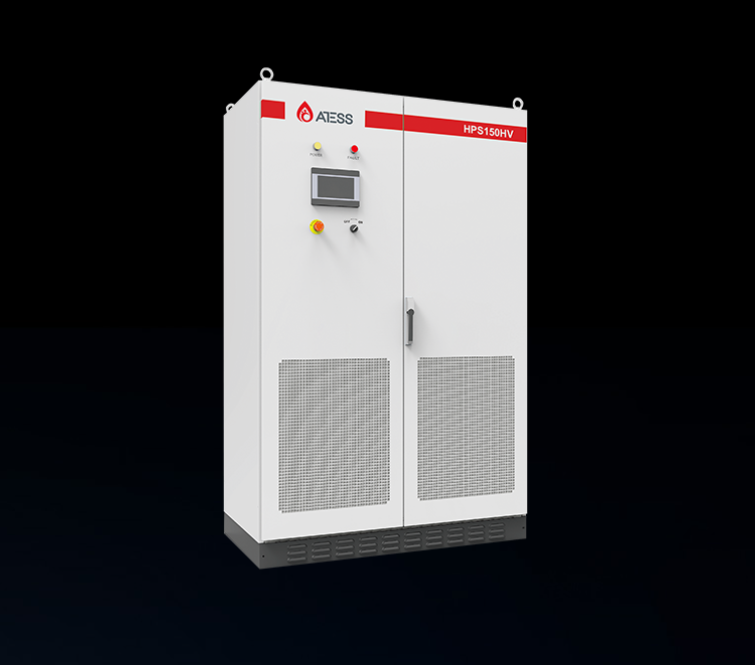
Off-grid inverters are designed to provide independent energy solutions, but many users wonder if they can be connected to the grid. In this article, we’ll explore the capabilities of a 100 kW off-grid inverter and how Atess offers solutions for both off-grid and hybrid energy systems.
Defining Off-Grid Inverters
A 100 kW off-grid inverter is designed to operate independently from the utility grid, converting DC power from solar panels or batteries into AC power for your home or business. Atess offers advanced off-grid solutions that combine efficiency, reliability, and intelligent energy management, making the Atess 100 kW inverter suitable for remote locations or areas without reliable grid access. These inverters also provide battery integration and backup power capabilities, ensuring a continuous energy supply.
Possibilities of Grid Connection
While primarily off-grid, some inverters can connect to the grid under specific conditions. Integrating a 100 kW off-grid inverter with the grid requires careful planning, proper synchronization, and additional protective devices to prevent backfeeding. Atess provides hybrid-ready inverters that allow partial grid interaction, giving flexibility for users who want energy independence while maintaining a safety net of grid power.
Benefits and Drawbacks of Grid Connection
Connecting an off-grid inverter like the Atess 100 kW inverter to the grid offers advantages such as selling excess energy back to the utility, increasing system efficiency, and providing backup support during low solar production. However, challenges include regulatory compliance, installation complexity, and potential technical issues if not properly configured.
Conclusion
While a 100 kW off-grid inverter is designed for independent operation, Atess inverters offer hybrid-ready options, allowing users to enjoy both off-grid reliability and grid-connected flexibility. Proper planning ensures safe, efficient, and versatile energy management.