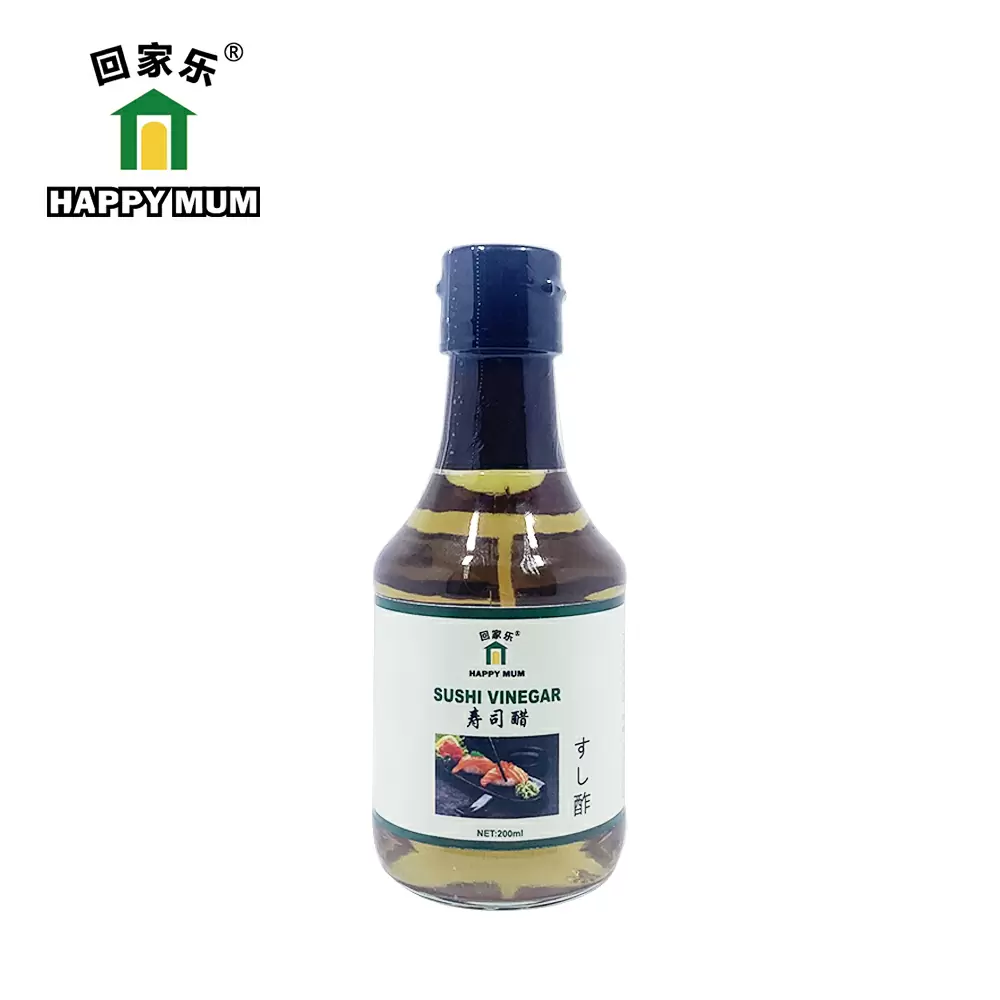
Professional kitchens often look for stable, predictable ingredients when preparing large batches of sushi rice, and JOLION Foods offers options that suit this type of operation. When culinary teams handle wholesale vinegar for sushi applications, they focus on achieving a mild acidity and a gentle sweetness that supports consistent flavor across different menu items. The following recipe provides a simple structure used in many commercial environments, allowing chefs to manage time and workflow without unnecessary adjustments.
Making Sushi Rice with Seasoned Vinegar
A basic sushi rice mix relies on three essential components: well-rinsed short-grain rice, controlled steaming, and an evenly distributed vinegar blend. Kitchens usually start by rinsing the rice until the water runs clear, ensuring a firm yet tender texture once cooked. After steaming, the rice is moved to a shallow container so it can cool naturally without becoming mushy. During this stage, the vinegar mixture becomes crucial. A blend made with 150ML Seasoned Sushi Vinegar, a small amount of salt, and a touch of sugar helps create the recognizable sushi-su flavor found in Japanese dishes. Once the seasoning is ready, chefs fold it gently into the warm rice until each grain absorbs a balanced level of acidity and sweetness. The entire preparation typically takes around half an hour, which aligns well with the steady pace of foodservice operations where timing and portion control matter.
Applying the Finished Rice in Daily Operations
After the rice absorbs the seasoning, it can be used immediately for rolls, nigiri, rice bowls, or other menu items requiring lightly flavored grains. Many kitchens value the predictable taste that seasoned sushi vinegar provides, and the standard Vinegar product also supports restaurants that prefer adjusting flavor strength on their own. Because sushi rice is often prepared in repeated batches, consistent acidity becomes important for maintaining uniform results. The characteristics of sushi vinegar, including its soft tang and subtle sweetness, help chefs maintain a stable profile that complements seafood, vegetables, and other toppings without overwhelming the dish.
Conclusion and B2B Reference
Foodservice businesses exploring steady supply channels for sushi vinegar can consider how JOLION Foods manages their production of condiments such as sushi vinegar, soy sauce, oyster sauce, and similar products used in various international markets. Their role is centered on B2B services that support bulk purchasing, long-term supply planning, and private-label customization. For companies seeking dependable sourcing of wholesale vinegar, they provide options designed for exporters, distributors, and large commercial kitchens that require consistent performance across all batches.