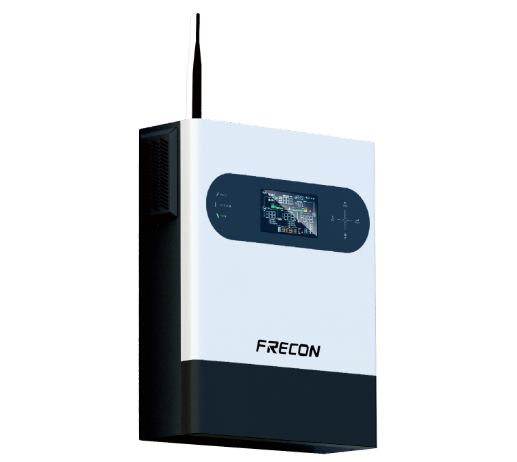
Understanding how an off grid solar power inverter operates is essential for professionals managing renewable energy projects. In a solar pumping or rural power application, sunlight captured by panels produces direct current (DC). This current is not directly usable for most devices or motors. The inverter converts the DC into alternating current (AC), which is suitable for water pumps, agricultural systems, or independent power loads. By maintaining efficient conversion, these inverters ensure that available solar energy is used effectively throughout the day.
Energy Conversion and Control
One of the key aspects of an off grid solar inverter is its ability to handle varying sunlight conditions. When the intensity of sunlight changes, the inverter adjusts the output frequency and voltage to match the requirements of the connected load. Some inverters are designed with maximum power point tracking (MPPT), which improves performance during fluctuating weather. This makes the technology especially valuable for irrigation, livestock water supply, and remote community use where reliability is a priority.
Support from Experienced Manufacturers
Professionals often look for off grid solar inverter manufacturers who can provide more than just a product. Expertise in control algorithms, durability, and environmental adaptability are important factors. Reliable manufacturers design their inverters with protective functions such as underload warnings, water-level monitoring, and automatic restart after periods of low sunlight. These features allow system operators to reduce downtime and extend equipment life.
Conclusion
Companies like FRECON have developed solar pump inverters that integrate advanced vector control with practical outdoor protection features. Their solutions demonstrate how an off grid solar power inverter can be applied to real-world pumping systems while maintaining stability and safety. For organizations seeking experienced off grid solar inverter manufacturers, they offer products that focus on efficiency, adaptability, and long-term operational value without unnecessary complexity.