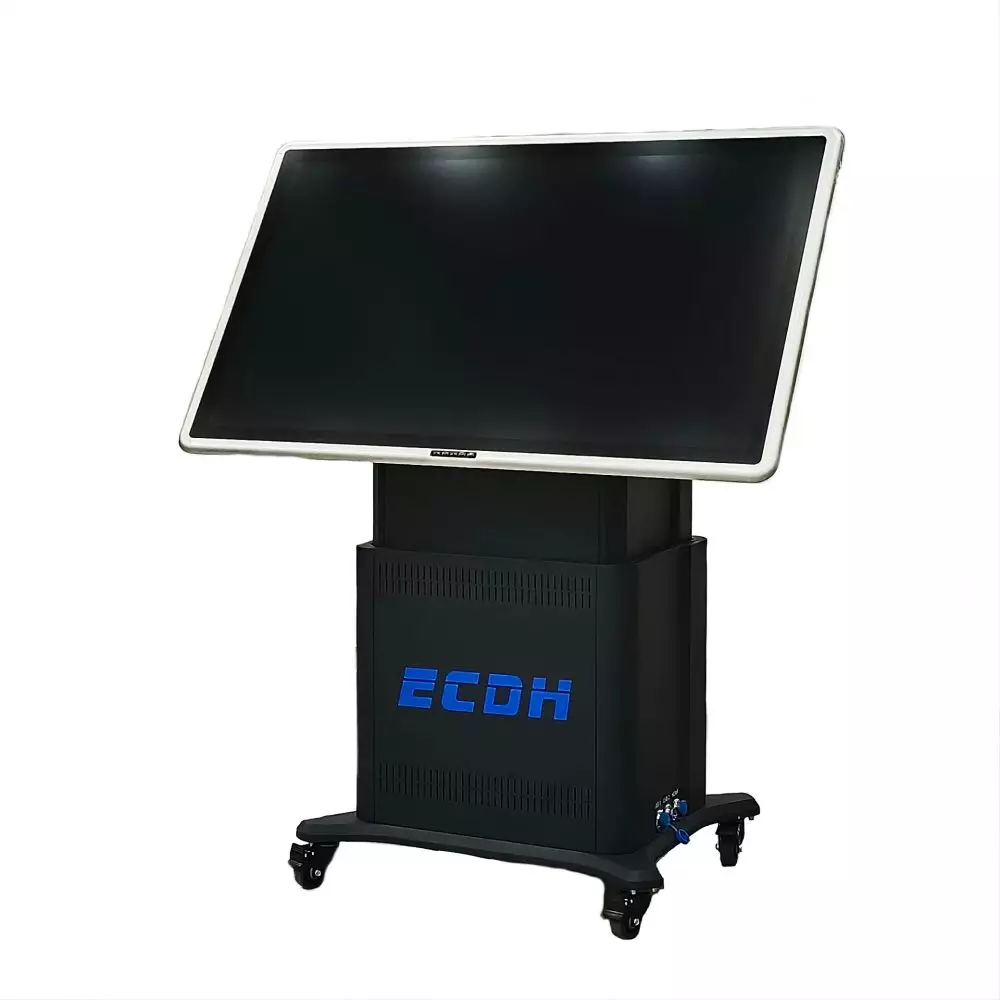
The advancement of medical education is significantly influenced by technology, particularly through the advent of virtual dissection tables. As institutions push for more engaging and interactive ways to teach human anatomy, the DIGIHUMAN Virtual Anatomy Table stands out as a transformative tool. This innovative device offers a seamless integration of traditional anatomy principles with cutting-edge digital technology, allowing students and educators to explore human anatomy in an immersive setting.
Immersive Learning Experience with 3D Visualizations
The DIGIHUMAN Virtual Anatomy Table utilizes real human body data reconstruction to create 3D models of anatomical structures. These models can be enlarged, reduced, and rotated at any angle, offering a dynamic learning experience that flat images simply cannot provide. By employing virtual dissection, students can interact with anatomical features while receiving contextual information through CT and MRI images. This immersive approach enhances comprehension and retention, catering to diverse learning styles.
Customization for Enhanced Education
Institutions can benefit from the human anatomy VR for institutions feature of the DIGIHUMAN Virtual Dissection Table, which allows for different user accounts and customizable presets. Each session can be tailored to focus on specific anatomical structures or medical scenarios. Instructors can mark key images and set collections, enabling a personalized experience for both educators and students. This level of customization aids in addressing the unique needs of various learning curriculums.
Innovative Touchable Design
The design of the DIGIHUMAN Virtual Dissection Table is engineered to enhance the interactive learning process. The 88-inch touchscreen boasts a resolution of 3840*1080, ensuring clear visibility from various angles. Notably, the screen features electric lifting and a 90-degree rotation capability, making it adaptable for various teaching environments. The table’s infrared touch mode further increases accessibility, allowing for comfortable interaction during lessons and collaborative learning sessions.
Conclusion
As the landscape of medical education continues to evolve, the DIGIHUMAN Virtual Anatomy Table emerges as a vital educational tool that promotes comprehensive learning through virtual dissection. Its state-of-the-art 3D visualization capabilities, customization options, and innovative design make it suitable for modern educational institutions aiming to enhance their anatomy curricula. Embracing such technological advancements prepares future healthcare professionals with the knowledge and skills necessary to excel in their fields.